
The longstanding and rapidly growing sports ties between the United States and Saudi Arabia—particularly in high-profile combat sports like boxing, MMA, and wrestling—have come to a complete and abrupt end. This dramatic severance stems from deep geopolitical frustrations, with Saudi officials, led by Turki Alalshikh (Chairman of the General Entertainment Authority), expressing profound displeasure over U.S. policy under President Donald Trump.
Recent developments in the Middle East have escalated tensions dramatically. In late February 2026, the United States and Israel launched a joint pre-emptive military operation against Iran, dubbed “Operation Epic Fury,” targeting perceived nuclear threats. While Trump has framed the strikes as necessary to defend allies and maintain regional stability, the move has drawn sharp criticism from parts of the Arab world for prioritizing Israel’s security while exposing neighboring Gulf states to severe Iranian retaliation.
Iran responded with widespread missile and drone barrages targeting U.S. military bases and civilian infrastructure across multiple countries, including strikes in Bahrain, Qatar, the United Arab Emirates (UAE), Kuwait, Jordan, Oman, and even Saudi Arabia itself. These attacks have disrupted civilian life, forced airspace closures, grounded flights (including Qatar Airways operations), and placed Gulf nations in a precarious position—bearing the brunt of Iranian reprisals despite not directly participating in the initial strikes.
Saudi Arabia, under Crown Prince Mohammed bin Salman and with Turki Alalshikh playing a key role in sports diplomacy, has viewed the U.S. stance as a betrayal. Sources indicate that Riyadh feels abandoned, as Trump has strongly defended Israel’s role and pushed forward with the operation, while leaving allies like the UAE, Qatar, and Bahrain exposed to ongoing Iranian threats without sufficient protective measures or diplomatic off-ramps. Gulf leaders, including those in the UAE and Qatar, have privately lobbied for a swift de-escalation and urged allies to pressure Trump toward diplomacy, highlighting the strain on U.S. relationships in the region.
Amid this fallout, Turki Alalshikh and other Saudi officials have signaled a full withdrawal from collaborative sports initiatives with American entities. This includes terminating partnerships in boxing promotions, entertainment events, and cross-border athletic exchanges that had flourished in recent years. Notably, Saudi Arabia had forged significant deals involving U.S.-based organizations like TKO Group (parent of UFC and WWE), including multi-year boxing promotions and events tied to Riyadh Season. These ties, often facilitated through Alalshikh’s influence and Saudi’s Public Investment Fund, had positioned the Kingdom as a major global player in combat sports, hosting blockbuster fights and even partnering on ventures like Zuffa Boxing.
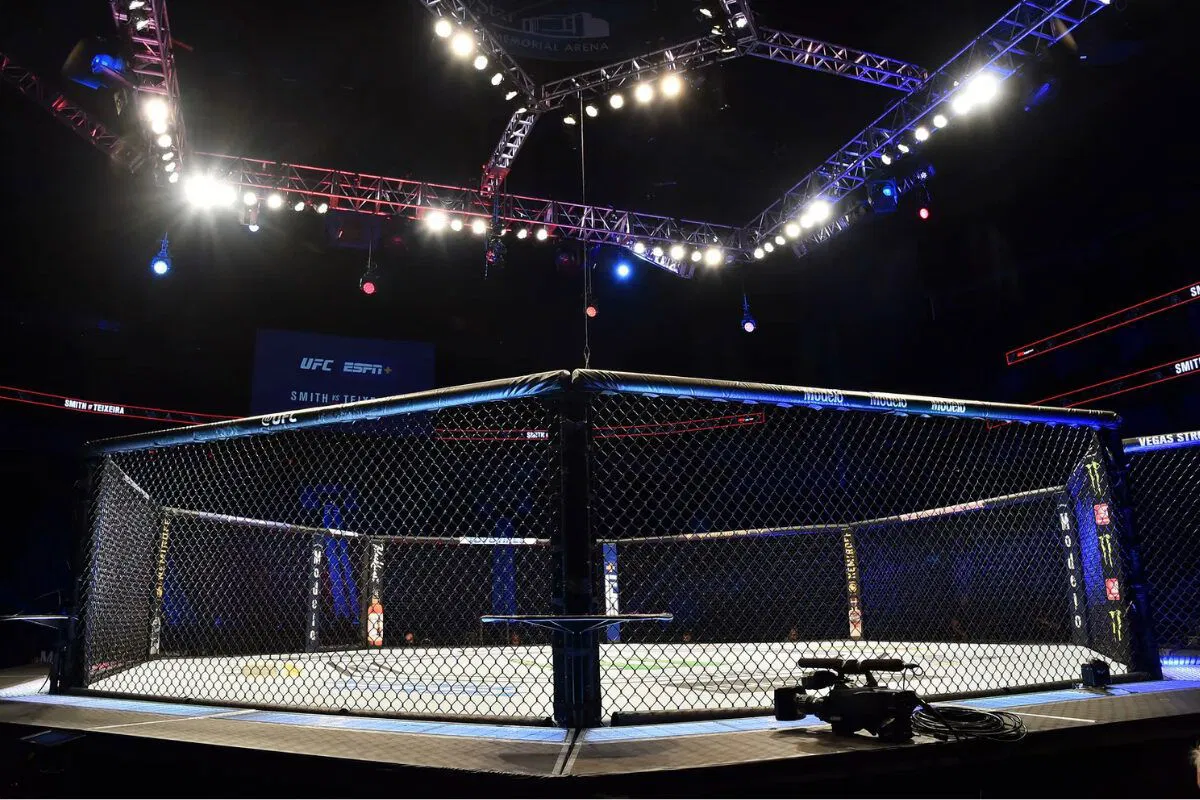
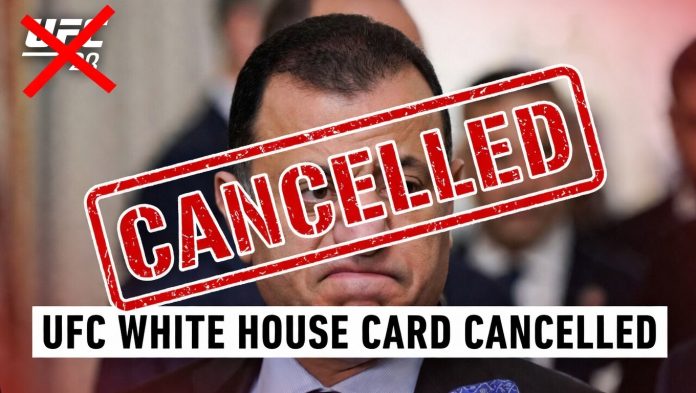
A particularly high-profile casualty of this rupture is the planned UFC White House card, a historic event scheduled for June 14, 2026, on the South Lawn of the White House in Washington, D.C. The card, which was set to feature six or seven fights in an unprecedented venue as part of America’s 250th anniversary celebrations (and coinciding with Trump’s birthday and Flag Day), had been fully matchmade with multiple backup options prepared. Dana White had confirmed the card was “done” earlier in the year, with matchmaking complete and announcements teased for the near term. However, amid the escalating international tensions and Saudi Arabia’s complete disengagement from U.S. sports collaborations—including any indirect support or promotional ties through Riyadh Season—the event is no longer proceeding as planned. The geopolitical fallout has made such a symbolically charged U.S.-centric spectacle untenable in the current climate, effectively scrapping what was poised to be one of the most unique UFC events in history.
The decision to sever all sports relationships marks a sharp pivot. Alalshikh, previously vocal about expanding Saudi’s sports footprint (including promises of “major surprises” in 2026 for boxing and events), now appears to have redirected focus inward or toward non-U.S. partners amid the perceived U.S. favoritism toward Israel.
This move disrupts a lucrative pipeline of events, sponsorships, and cultural exchanges that benefited athletes, promoters, and fans on both sides.The broader implications are significant: Saudi Arabia’s sports “soft power” strategy, which had integrated deeply with American talent and platforms, now faces reevaluation. Meanwhile, the ongoing regional conflict continues to reshape alliances, with Gulf states uniting in condemnation of Iranian strikes but grappling with the costs of close U.S. alignment under the current administration.
This termination is not merely administrative—it’s a symbolic rupture driven by geopolitical disillusionment, underscoring how quickly sports diplomacy can fracture when larger strategic interests collide.